

SaaS businesses can no longer rely on one single payment provider. From their growing customer base to selling in new regions, they require stronger payment reliability, offering various payment support. The advantage of using multiple providers in turn reduces payment failures and enhances checkout success, along with building a safer system that can handle issues without ever interrupting the revenue streams. This approach is useful when top priorities are stability, growth, and a smooth customer experience in payments.
Essential Features Each Multiple Payment Gateway Must Have
When adding several payment gateways to your product, it is very important to select the right features so that the payment experience remains smooth, secure, and easy to manage. A good setup helps your customers pay without trouble and gives your team better control over the payments.
Firstly intelligent routing and load balancing enable each transaction to be routed via the optimal gateway, whether it’s based on currency, card type, or by real-time performance. This enables better approval rates, reduced costs, and the assurance that payments keep flowing, even if a single gateway goes down.
Secondly, failover and retry systems further safeguard your sales by automatically routing the transaction through another gateway in case of failure.
A unified reporting and reconciliation tool is also helpful, bringing all the payment data in one place and making tracking and analysis a lot easier.
Thirdly, strong fraud prevention features like 3D Secure, address checks, and smart fraud rules protect your business from risky transactions. You should verify that every gateway is fully compliant with industry standards for security, including PCI DSS compliance, to ensure your customers’ data is secure.
The support for numerous payment methods, from cards and digital wallets to local options, will help you to expand your audience. A flexible checkout experience, fully customizable, will keep the brand’s look and feel while providing your customers with a seamless flow. As your SaaS business continues to grow, you’ll also want a system that scales easily and lets you add or remove gateways without stress.
Additionally APIs and SDKs that are developer-friendly speed up the integration process and reduce technical roadblocks. Lastly, good customer support from providers ensures you get quick help in case you run into issues. All these features put together create a simple, reliable, and future-ready payment setup.
When Should a SaaS Company Use Multiple Payment Providers?

The SaaS companies should consider multiple payment providers when they grow beyond a single region, want stronger payment reliability, or need more control over costs. Having one gateway used to be enough in the early days, but with an extended customer base, this single point of failure can pose actual problems.
A brief outage, high processing fees, or low approval rates in a country can directly influence your revenue and customer trust. Additional providers make the environment safer and, at the same time, more flexible.
Multiple providers prove especially handy when you expand to serve customers in new countries. Every market has its preferred way of paying for things and local regulations surrounding those methods. By offering more than one option, SaaS companies can create a smoother checkout experience, reduce SaaS payment failures, and improve conversions from international users.
This approach is also helpful in cost management. If you have more than one provider, you can route the transactions via the option that offers better success rates or lower fees. This keeps your payment operations stable and efficient.
Multiple payment providers are ideal for SaaS companies when reliability, scale, and user experience all become critical to long-term growth. It’s a practical way to support global customers while keeping revenues safe.
Using Multiple Payment Providers for SaaS Companies
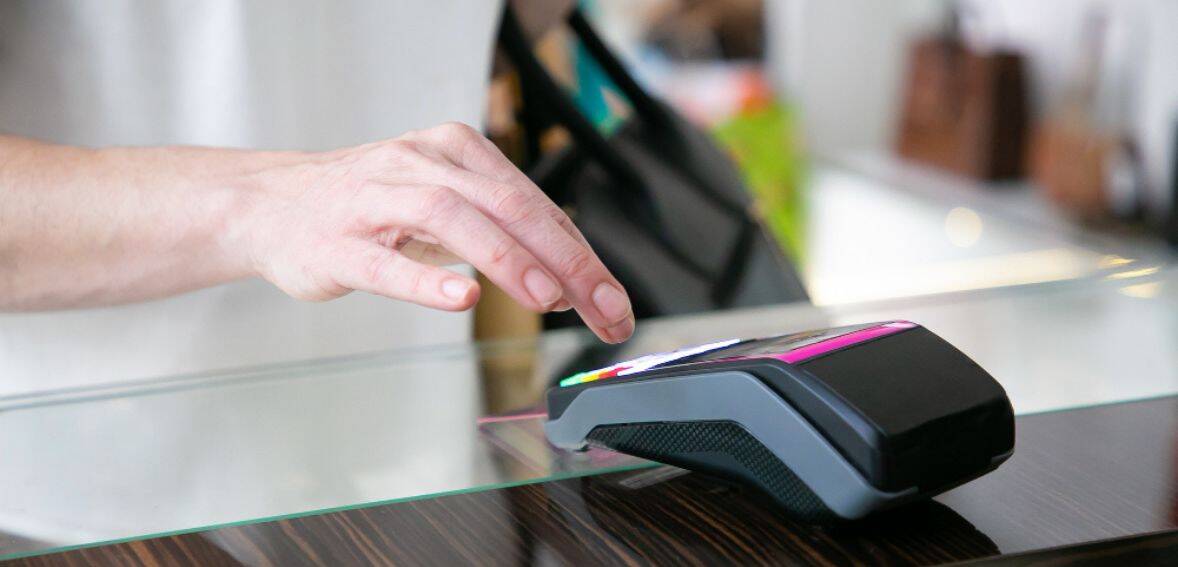
Relying on more than one payment provider helps to make the everyday operations of a SaaS company smoother and safer. When you have multiple gateways, your platform is not affected in case one provider faces downtime or a technical issue.
That keeps your subscriptions running and protects your monthly revenue. This helps to serve customers across different countries by supporting more currencies and alternative payment methods. SaaS teams are able to route each transaction through the most cost-efficient provider to lower overall processing fees. It also improves success rates because each gateway does things differently in various regions.
Plus, customers will have the choice of how they want to pay, building their trust in the brand and reducing churn. Additional layers of security with better compliance across markets enable SaaS companies to grow more confidently, preparing themselves for expansion in the global markets.
Multi Payment Provider Challenges

Having multiple payment gateways indeed offers a list of advantages, but at the same time, it also poses some serious challenges that SaaS companies must overcome. Firstly every different gateway comes with its own setup, dashboard, and rules, meaning that a lot of time is spent by teams aligning and ensuring that everything works seamlessly.
Secondly the costs can go up, too, since most providers have separate fees for setting up systems, monthly charges, and even transaction-based charges. Thirdly integrating multiple gateways to a central system could be overwhelming, especially when those gateways use different technical requirements. The experience will be less seamless for customers if the checkout screens or the way the payments are offered change between different gateways.
Other difficulties involve problems at the data analytics layer. When the transactions happen on numerous platforms, combining insights to determine the sales trend and how customers behave will be more complicated. Customer support will be trickier because issues related to refunds or chargebacks will take more time to handle, with several systems involved.
Different Ways to Integrate Multiple Payment Providers

For any SaaS platform, there are a few ways to integrate payment gateways, depending on how much control and flexibility you want. Firstly you can directly integrate each provider using APIs and SDKs. This gives full control over the payment flow and the customer experience, but it takes a lot of great deal of time and technical effort to keep this maintained.
Secondly another common approach is using payment gateway aggregators, wherein one integration leads to a large number of payment methods. This method is much more easier to manage, the security is often handled for you, however it may limit how much you can customize.
Thirdly, a more advanced option is a payment orchestration platform. This is basically like an intelligent layer between your SaaS product and multiple gateways, which offer features like routing transactions to the lowest-cost provider, automatic failover, and unified analytics. It’s much more flexible than aggregators, but normally costs more and requires some very heavy technical setup. In fact, many SaaS businesses employ a combination of all these options to find a balance between customization, cost, and ease of use.
How to Support Multiple Payment Gateways

Once you decide to use more than one payment gateway in your business, the next step is to plan how everything will work together: setting things up, testing each connection, and monitoring their performance over time.
First, understand what your business needs. Consider the kind of payments you want to accept and in which countries or regions. Then, research various gateways, taking time to compare fees and features and the types of payments supported, to find out which will suit your goals best.
Secondly, select an integration method that works for your team. You can connect directly to each gateway, use a payment orchestration platform, work with a PSP, or mix different approaches. The choice is going to depend on how much technical support you have, the level of control you want, and your overall budget.
Thirdly once you choose any of the methods, start the integration. Carefully follow the instructions of each gateway and test each flow to ensure that the payments go through without any glitches. This is a very crucial step, as even a minor mistake in the setting may hamper your checkout experience.
Don’t forget to configure the routing rules through your orchestration platform or PSP. In general, these rules determine which gateway processes which transaction. You can route based on card type, currency, risk level, and other factors. Smart routing cuts down payment failures and keeps the costs in check.
Finally, monitor everything continuously. Monitor the approval rates, failures, fees, and performance of each gateway. Apply the findings for speed enhancements, cost reductions, and smoother payment experiences for your customers. Continuous monitoring will keep your multi-gateway setup reliable and efficient, easily scaling with your growing SaaS business.
Conclusion
Working with several payment providers becomes crucial as a SaaS company grows, enters new markets, or needs more reliable billing stability. There are a number of important benefits of using multiple providers, it reduces risk, improves approval rates, and guarantees a smooth checkout process for clients worldwide, giving them more control over expenses and access to features not offered by a single gateway. For SaaS teams that wish to scale safely while guaranteeing a dependable payment experience for their users, adopting multiple payment providers turns out to be a future-ready choice.
FAQs
Why should SaaS firms use several different payment processors?
It cuts down on unsuccessful payments and manages foreign clients more effectively. It also increases more dependability by avoiding reliance on a single gateway.
Does using a variety of payment methods increase international conversions?
Yes, they improve more better conversion rates by supporting local payment methods, fostering trust, and enabling users to make payments in ways they are familiar with.
Is it challenging to manage several providers?
Orchestration platforms, or PSPs, make routing, reporting, and integration much more easier even though it can be complicated.
Do several providers contribute to fewer unsuccessful payments?
Yes, since the processing of transactions is not halted by the failure of a single gateway, easily preventing revenue loss.
Do SaaS companies find multi-providers to be economical?
Yes. Over time, processing costs can be decreased by using smart routing to select gateways with lower fees.