
By Charles West December 19, 2025
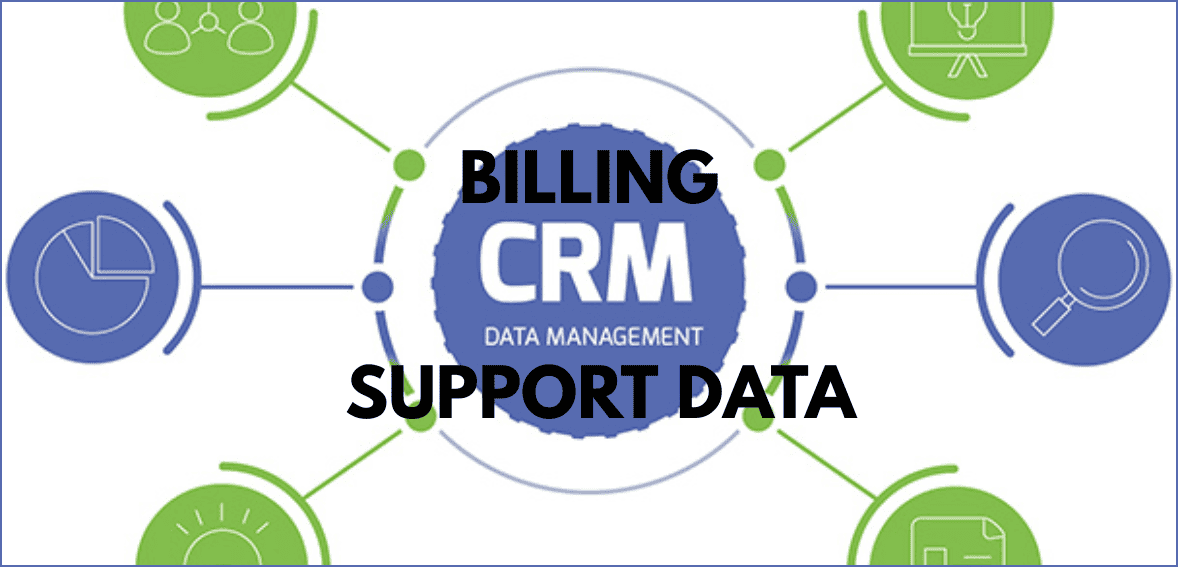
Digital systems are the primary means for businesses to handle customer relationships nowadays. The CRM systems monitor leads, opportunities, and activities related to different accounts. The billing systems take care of the multiple payment-related tasks like issuing invoices, managing subscriptions, renewals, and payments. The support platforms record tickets, complaints, and positive service outcomes. Each system undoubtedly serves a purpose, but when they work separately, the teams lose the overall picture. The information gets split up. The unified customer record fades away. The customers are the ones who experience the disconnect.
This splitting up of information usually results in the same questions being asked again and again, issue resolutions taking longer than expected, and different forms of communication being used. The sales team might not be aware of the support issues that are not yet resolved. An agent working in support might not know about the customer being billed who is disputing the bill. The finance department might not be aware of the customer complaints’ background. Such splits in communication ruin trust and result in slower operations.
To connect the data from CRM, billing, and support into one structured and reliable view, the unified customer record is collected. With an effective customer data integration in place, every department will have the same information and work in real time. The single view of a customer improves internal coordination and builds up the customer’s trust. It enables the company to grow in size but still maintain clarity and consistency.
What Is a Unified Customer Record?
A unified customer record is a comprehensive profile of the customer that is derived by merging the data from CRM, billing, and the support systems. It records every significant customer interaction with the company throughout the entire process. Among others, this includes personal details, transaction activities, subscription information, invoices, payment history, support tickets, and communications.
Rather than having separate records scattered through different tools, the teams would depend on one trusted source. This practice minimizes redundancy and disagreements over data. Automatic updates traverse through customer data integration from one system to another. Eventually, a unified customer record turns into a dynamic profile. It aids in reporting, forecasting, and personalization while being consistent across overall customer interaction points.
The Importance of Customer Data Integration in Unified Customer Records

Customer data integration is essential to keep customer information accurate and up to date. In the absence of integration, teams have to do the manual data transfer jobs and wait for the periodic updates. This not only gives rise to delays but also increases the risk of errors being increased. Data quickly becomes stale, and this leads to different systems having inconsistent unified customer records. Eventually, this can be a cause of lost opportunities, involved customers, and wrong decisions.
Systems that are not integrated block visibility. The sales team might not be aware of the support problems that are going on. Support agents might not know about the billing context. The finance team might not be aware of the communication history related to disputes. Integrated systems take away all these blind spots. They give instant access to customer data that supports faster decision-making.
This leads to better communication, quicker problem-solving, improved responsibility, and all teams performing together with a common understanding, thereby providing a seamless and consistent customer experience.
Also Read: The Ultimate Data Migration Checklist for a Flawless Transition
The Role of CRM in a Unified Customer Record
CRM systems work as the main linking point for a unified customer record. In other words, they keep track of customers’ identities, account ownership, sales history, deal stages, and engagement timelines. This information not only portrays the life cycle of customers, but also their intent, buying patterns, and interaction frequency.
However, when CRM data is linked with billing and support systems, it really becomes valuable. Account managers can now detect churn risks much earlier. Besides, marketing teams can tailor their campaigns according to actual usage and service insights.
For instance, the sales teams can see very clearly customer payment behaviour and their renewal status. CRM transforms from being merely a sales tracker into the main driving force behind a unified view of the customer, thereby enabling all the teams to make informed and prompt decisions.
Why Billing Data Must Be Connected to Unified Customer Record
Billing systems hold essential financial information. This includes invoices, subscriptions, payment status, credits, refunds, and contract terms. Without billing visibility, customer conversations often lack accuracy.
Through CRM billing support alignment, billing data becomes accessible across departments. This alignment improves coordination and reduces misunderstandings.
Key Benefits Include:
- Support agents identify payment-related issues instantly
- Sales teams avoid outreach during billing disputes
- Finance teams reduce back-and-forth through shared visibility
Financial clarity of the unified customer record is added by billing data. It guarantees that discussions are transparent and informed. Teams are aware of the customer’s financial conditions. This results in less friction, no misaligned messaging, and stronger trust being built through each customer interaction.
Support Data Completes the Customer Story in Unified Customer Record
Support channels reveal the customer’s interaction with a company-product or service. Customer mood and recurring problems are indicated by the support tickets, chats, escalations, resolution times, and satisfaction ratings. The analysis of all these factors gives a comprehensive view of the customer’s pain points, their behaviour, and the quality of overall engagement with the company.
As soon as the support data is included in the customer file, the teams are given the vital insights. The sales department avoids contacting the dissatisfied customers. The support staff knows the customer account’s value and the payment condition. The product department discovers the particular customer segments that are affected most by the issues. This common insight transforms the support from a reactive problem-solving unit to an area of proactive management of customer experience. Moreover, it allows teams to predict problems, provide tailored help, and ultimately, build stronger lifetime relationships with the customer.
How CRM, Billing, and Support Should Work Together
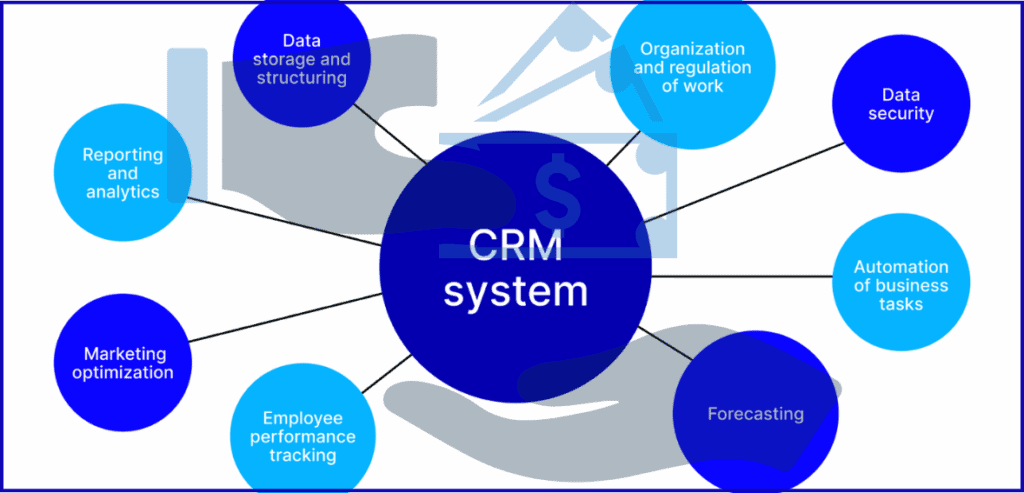
For customer data integration to be effective, it is necessary that continuous synchronization takes place between different systems. Data transfer has to be done in the same manner, and at the same time, no delays should be imposed. The planned updates ensure continuous access to the latest information for the teams. This also means that the data is trusted, and the human processing is hence reduced. Properly connected systems will not only lower the percentage of errors but will also facilitate communication between the teams.
The teams will no longer doubt the data’s authenticity. On the contrary, they will put their energy into providing quicker replies and creating better customer interactions based on the sharing of reliable information. Best practices include:
- Unified customer IDs across platforms
- Real-time or near real-time syncing
- Standardized data formats and fields
- Role-based access for sensitive billing information
When the systems for CRM, billing, and support are interlinked and functioning effortlessly, the teams will uniformly trust the continuously updated, credible, and practical customer view that is made available for them across the various departments.
Advantages of a Single Customer View in Unified Customer Record
One customer view enhances both the operational effectiveness and customer satisfaction. By consolidating the information and making it easy to access, the response time of teams is shortened. The presence of context throughout the decision-making process enhances the quality of decisions made. The consistent exchange of information through various channels results in a decrease in misunderstandings and, consequently, a decrease in unnecessary follow-ups. Besides, the teamwork of the departments enables them to anticipate customers’ needs rather than just responding to them as they arise.
Among the main advantages are the following:
- Shorter response and resolution times
- Reduced repetition for customers
- More relevant sales and renewal conversations
- Improved retention and lifetime value
Internally, groups have always dedicated little time to collecting data and a huge amount of time to making decisions based on insights. Consequently, customers perceive that they have already been acknowledged and considered important. Slowly but surely, this understanding leads to trust, and the connections become stronger, which, in the end, trust and loyalty are factors that last for the long run.
Frequent Difficulties and Solutions of the Unified Customer Record

Constructing a single customer record is usually accompanied by a set of technical and operational challenges. The old and outdated systems offer limited options. The existence of several customer records results in the loss of data. Different data formats delay the integration process and also lower the accuracy. All these problems not only slow down the process but also make the teams reluctant to use the data that is shared.
Nevertheless, these problems can be solved through a well-organized and methodical process:
- Use middleware or integration platforms
- Clean and standardize data before syncing
- Define ownership for data accuracy
- Start with high-impact data fields
A phased rollout is a way to eliminate risk and complexity at the same time. It provides the company with the opportunity to present the first results quickly and, at the same time, work on the quality of customer data integration. Eventually, this method will result in the establishment of data trustworthiness, team assurance, and expansion in the long run.
Measuring Success to the Unified Customer Record
The alignment of CRM billing support should be evaluated by the use of both operational and experience-based metrics. These metrics indicate the level of convenience that the teams derive from the use of the unified customer record and also the degree of support that it provides in the day-to-day decision-making process. They further point out whether the integration of data is indeed contributing to the collaboration among different departments.
The Main Indicators Are:
- Shorter ticket resolution times
- Greater first-contact resolution rates
- Fewer billing disputes
- Higher customer satisfaction scores
- More renewal and upsell success
The ongoing measurement guarantees that the unified customer perspective is still the main force behind growth, efficiency, and improved customer results. It also allows the different teams to spot the gaps at an early stage and to make process improvements before the problems become larger.
Conclusion
A common customer record is the base of effective and customer-oriented operations. It consolidates CRM, billing, and support data into one precise and manageable view. This connection eliminates silos and minimizes operational friction among teams.
Through profound customer data integration, companies enhance their response times and the quality of their decisions. The alignment of CRM billing and support keeps the teams always aware of the relationship and the financial context. A trusted single customer view prevents confusion and builds trust in the long term.
Disconnected systems create a risk as customer expectations keep rising. Organizations that invest in the unified customer record get clarity, agility, and scalability. They give better experiences while being more efficient in their operations. A unified customer record in the long run is not only a data strategy. It is a strategy for growth.
FAQs
What is a unified customer record?
A unified customer record mixes up the data from CRM, billing, and support into one complete customer profile. A full view of the customer is presented to the teams. 2.
How does customer data integration improve customer experience?
Customer data integration makes sure that the information is transferred automatically among the systems. The customer is treated the same way, no matter which touchpoint it is, because integrated data is behind every step.
Why is CRM billing support alignment necessary for growing businesses?
The lack of CRM billing support alignment means that the different teams are working in isolation. Sales might overlook the issues regarding payments. Thus, the disputes are decreased, the renewals are increased, and the customer trust is built.
What data ought to be part of a single customer view?
The integrated perspective of the customer should consist of the customer’s contact information, the history of deals made, the current status of payments, the customer’s subscriptions and invoices, the number of support tickets raised, and the communication timelines.
What are the difficulties in creating a unified customer record that companies have to deal with?
Data duplication, old systems, and format differences are the typical difficulties that are encountered. The integration of tools, data standardization, and responsibility allocation are the steps that will enable companies to overcome these hurdles.